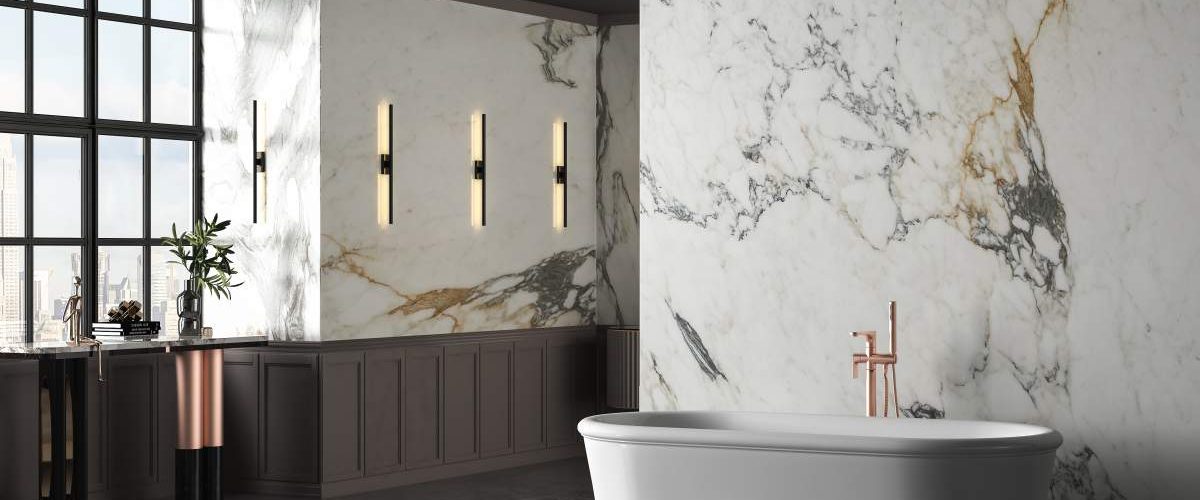
Pattern Play: Using Patterned Tiles on Your Bathroom Floor
As an interior design enthusiast, one of the key elements that can transform the look and feel of a bathroom is the choice of tiles. Patterned tiles have become increasingly popular in recent years, adding a touch of uniqueness and character to any space. In this blog post, we will explore the various ways you can incorporate patterned bathroom floor tiles to create a stunning and visually appealing bathroom.
1. Choose the Right Pattern
When selecting patterned tiles for your bathroom floor, it is essential to choose a pattern that aligns with your overall design aesthetic. Consider the style of your bathroom, whether it is modern, traditional, or eclectic, and select a pattern that complements the existing elements.
2. Size and Scale
The size and scale of the patterned tiles can greatly impact the overall look of your bathroom floor. Larger patterns tend to make a bold statement, while smaller patterns can create a more intricate and detailed design. Consider the size of your bathroom and the effect you want to achieve when choosing the size and scale of your patterned tiles.
3. Mix and Match
Don’t be afraid to mix and match different patterns to create a unique and personalized look. Pairing patterned tiles with solid-colored tiles can create a striking contrast and add visual interest to your bathroom floor. Experiment with different combinations to find the perfect balance for your space.
4. Create a Focal Point
If you want to make a statement with your patterned bathroom floor tiles, consider creating a focal point. Choose a specific area, such as the shower floor or the area around the bathtub, and use a bold and eye-catching pattern to draw attention to that area. This can add depth and dimension to your bathroom design.
5. Consider the Grout Color
The color of the grout can significantly impact the overall look of your patterned bathroom floor tiles. Opt for a grout color that complements the pattern and enhances its visual appeal. A contrasting grout color can make the pattern stand out, while a matching grout color can create a seamless and cohesive look.
6. Opt for Durable Materials
When choosing patterned bathroom floor tiles, it is crucial to consider the durability of the materials. Bathroom floors are exposed to moisture and high foot traffic, so opt for tiles that are resistant to water damage and are designed to withstand daily wear and tear. Ceramic and porcelain tiles are excellent choices for bathroom floors.
7. Create a Timeless Design
While patterns can be trendy, it is essential to create a timeless design that will stand the test of time. Choose patterns that are classic and versatile, allowing you to update other elements in your bathroom without needing to replace the tiles. This will ensure that your bathroom remains stylish for years to come.
8. Consider the Lighting
The lighting in your bathroom can greatly affect the appearance of patterned tiles. Natural light can enhance the beauty and intricacy of the patterns, while artificial lighting can create a dramatic and moody ambiance. Consider the placement and intensity of the lighting to maximize the impact of your patterned bathroom floor tiles.
9. Maintenance and Cleaning
Patterned tiles, just like any other tiles, require regular maintenance and cleaning to keep them looking their best. Follow the manufacturer’s instructions for cleaning and use appropriate products to avoid damaging the patterns. Regularly sweep and mop the floor to remove dirt and grime, ensuring that your patterned bathroom floor tiles retain their beauty.
10. Seek Professional Help
If you are unsure about how to incorporate patterned tiles into your bathroom design or need assistance with the installation process, don’t hesitate to seek professional help. Interior designers and tile installation experts can provide valuable guidance and ensure that your patterned bathroom floor tiles are installed correctly and beautifully.
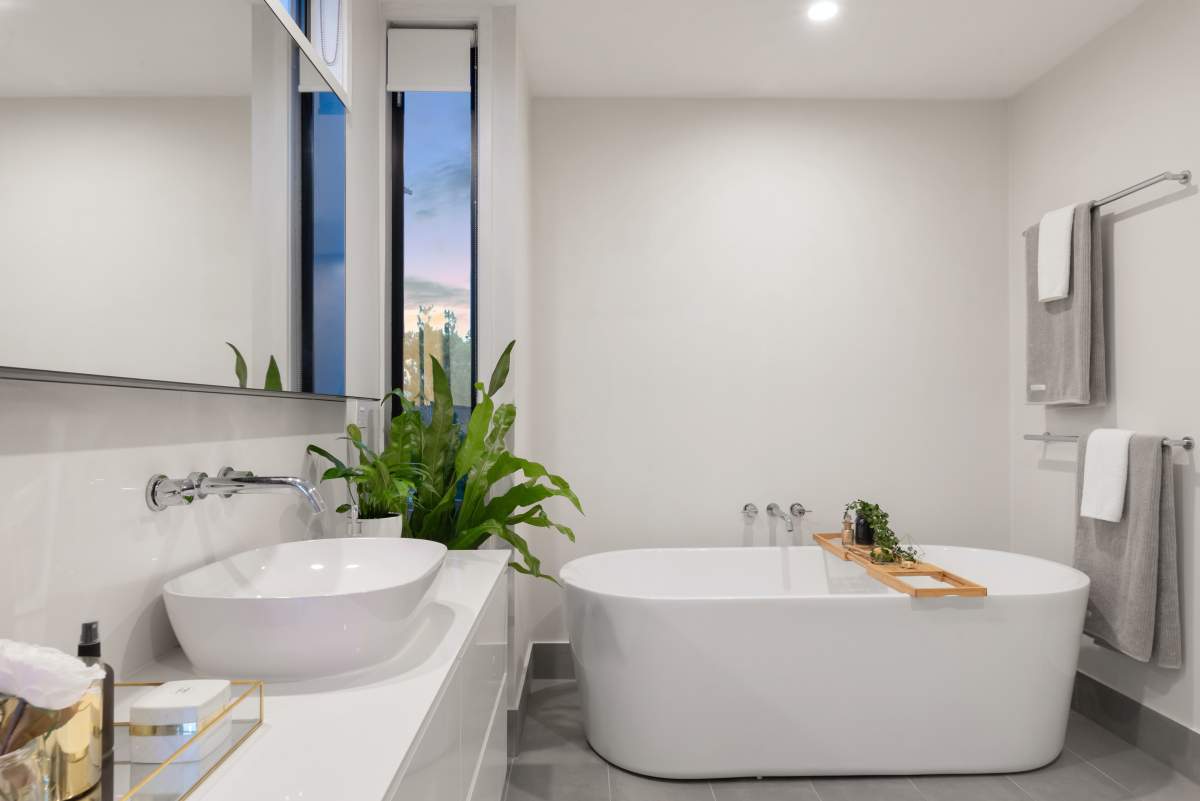
Patterned bathroom floor tiles are a fantastic way to add personality and style to your bathroom. By carefully selecting the right pattern, considering the size and scale, and incorporating other design elements, you can create a stunning and visually appealing bathroom. Remember to maintain and clean your patterned tiles regularly to keep them looking their best. Seek professional help if needed, and enjoy the transformation that patterned bathroom floor tiles can bring to your space.
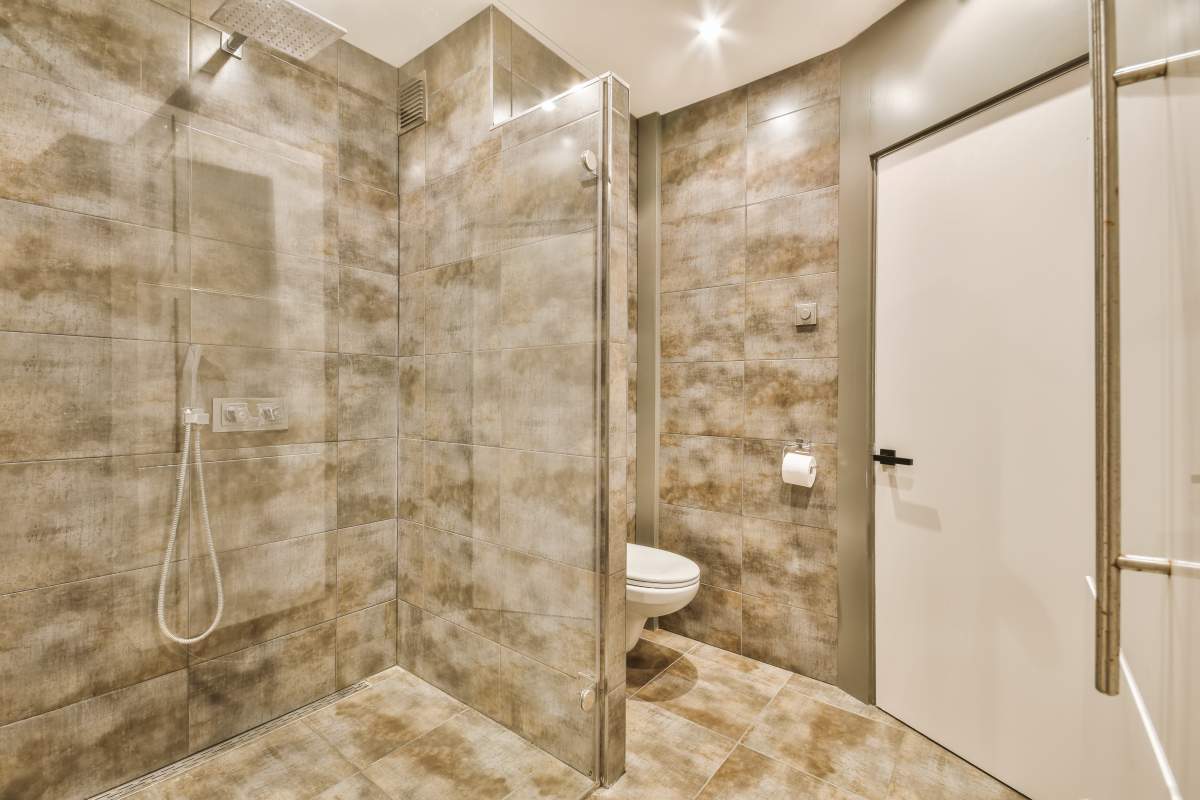
FAQ: Bathroom Tiles
Question 1: Can patterned bathroom floor tiles work in small bathrooms?
Answer: Yes, patterned bathroom floor tiles can work in small bathrooms. Choosing smaller patterns or opting for tiles with a more subtle design can help create the illusion of a larger space. Additionally, using light-colored tiles and maximizing natural light can also contribute to making the bathroom appear more spacious.
Question 2: Are patterned bathroom floor tiles difficult to clean?
Answer: Patterned bathroom floor tiles are not inherently difficult to clean. Regular sweeping and mopping with appropriate cleaning products can help maintain their appearance. However, it is important to ensure that the grout lines are properly cleaned to prevent dirt and grime buildup.
Question 3: Can I use patterned bathroom floor tiles in a vintage-themed bathroom?
Answer: Absolutely! Patterned bathroom floor tiles can add a touch of nostalgia and charm to a vintage-themed bathroom. Opt for patterns that were popular during the era you want to emulate, such as black and white checkerboard tiles for a retro look.
Question 4: Can I mix different patterns of tiles in my bathroom?
Answer: Yes, mixing different patterns of tiles can create an interesting and eclectic look in your bathroom. However, it is important to maintain a sense of cohesion by selecting patterns that share a common color palette or design element.
Question 5: How can I make a small bathroom with patterned tiles feel less overwhelming?
Answer: To make a small bathroom with patterned tiles feel less overwhelming, consider using the patterned tiles as an accent rather than covering the entire floor. Create a focal point in a specific area, such as the shower or vanity, and use a more subdued tile for the rest of the space.


